QINGYUN Museum
Explore the Living Archive
Long-form guides to Chinese incense materials, objects, practice and symbolism.
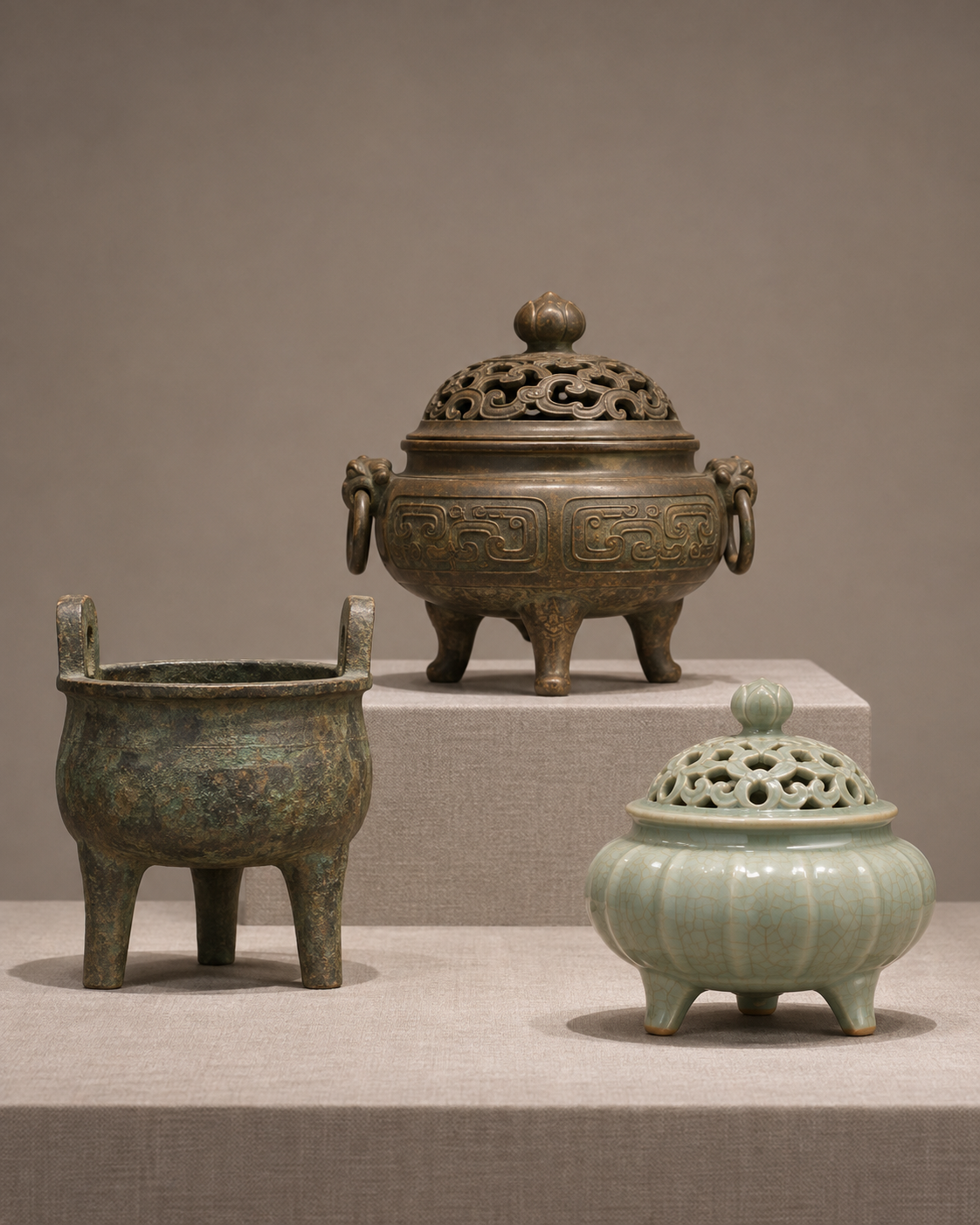
The Censer: What It Is, and 2,000 Years of Burning Incense in a Vessel
A censer is a vessel made to burn incense — suspended on chains in Christian liturgy, or standing on a table in Chinese and Japanese practice. The definition, the history, and the forms worth knowing.
Read article →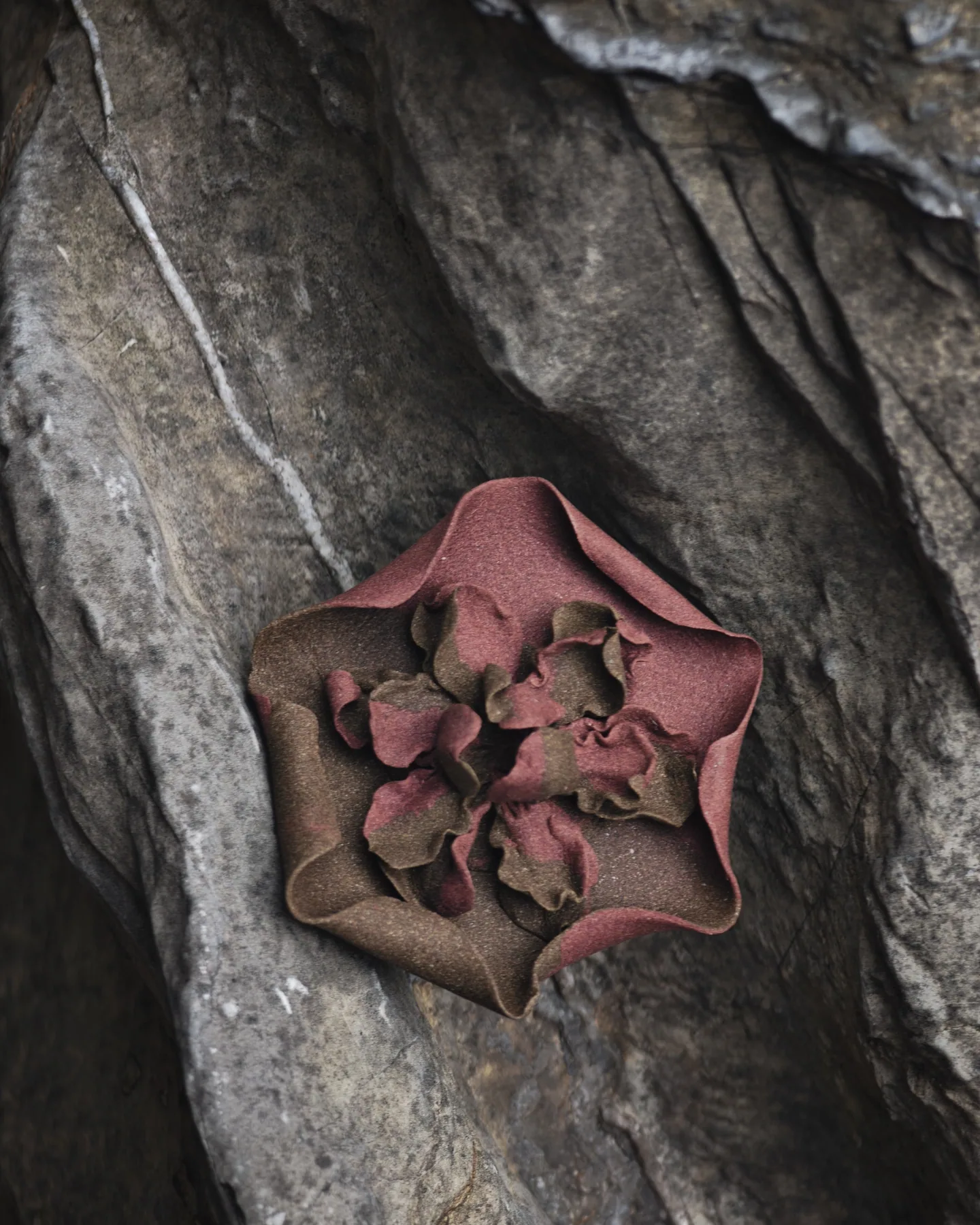
Types of Incense Burners: Which Design Actually Catches the Ash
Seven types of incense burner, compared by what they hold, what they catch and what they risk. The bowl-form holder is the one that keeps ash off the table — here's why, and where each other design fits.
Read article →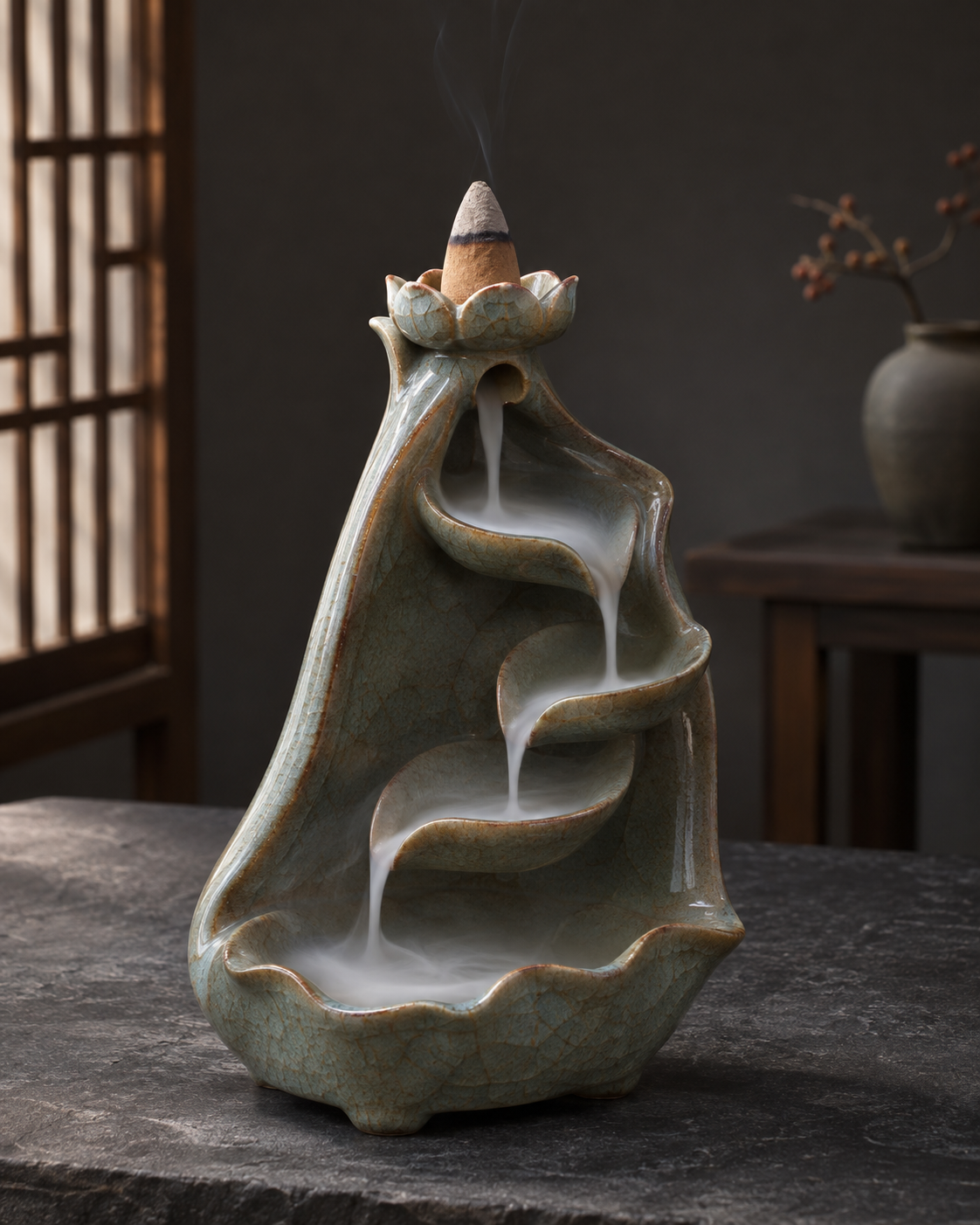
What Is a Backflow Incense Burner and How Does It Work?
A backflow burner routes smoke through a hollow cone into a chamber, where sufficiently cooled smoke-laden air can descend in still conditions. How it works, why yours stopped flowing, and what to check.
Read article →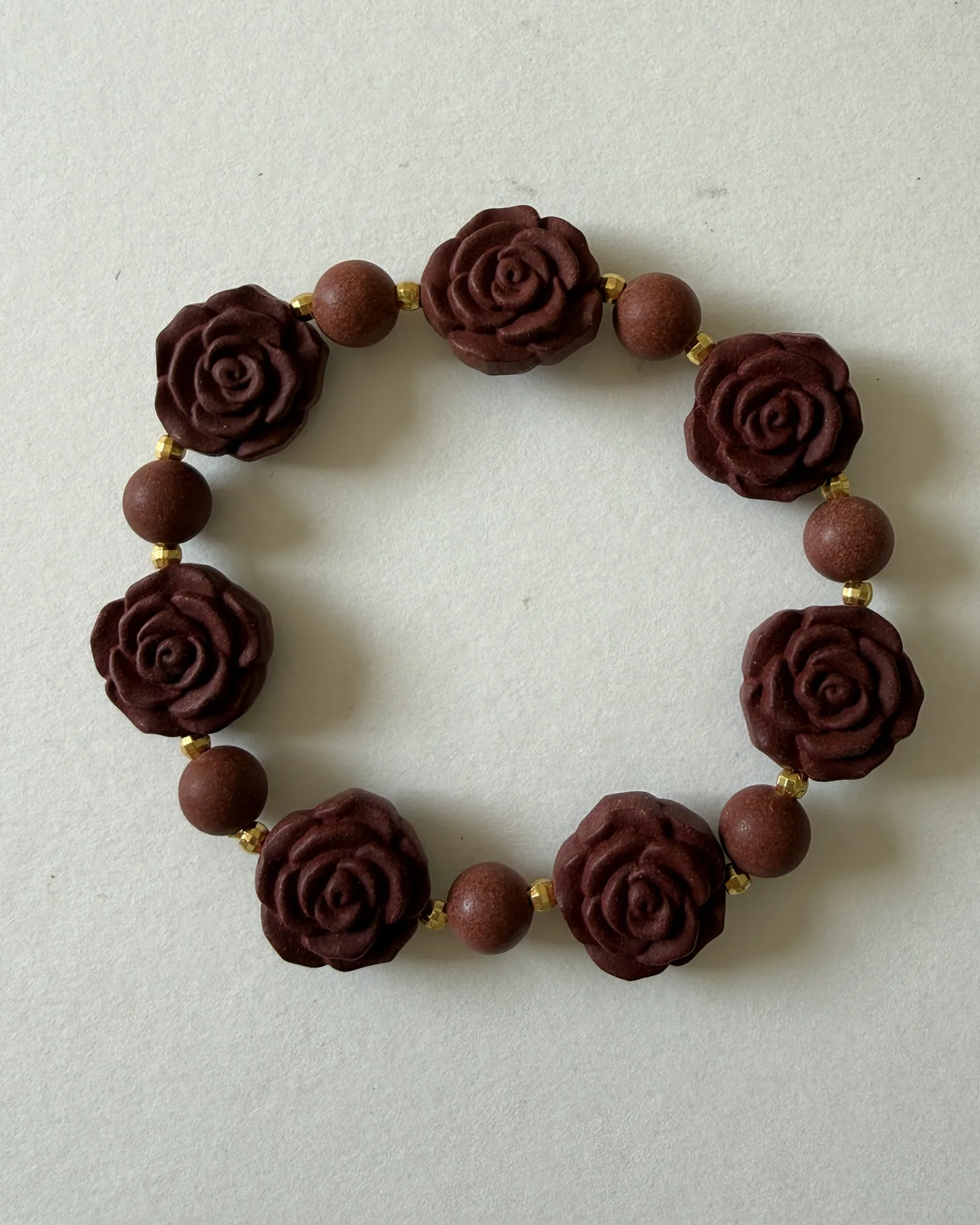
Incense Beads vs Aroma Beads: Two Very Different Things
Aroma beads are fragranced polymer beads for laundry and cars. Incense beads are blended plant-based incense worn on the body. Same word, different material, different use — here's how to tell them apart.
Read article →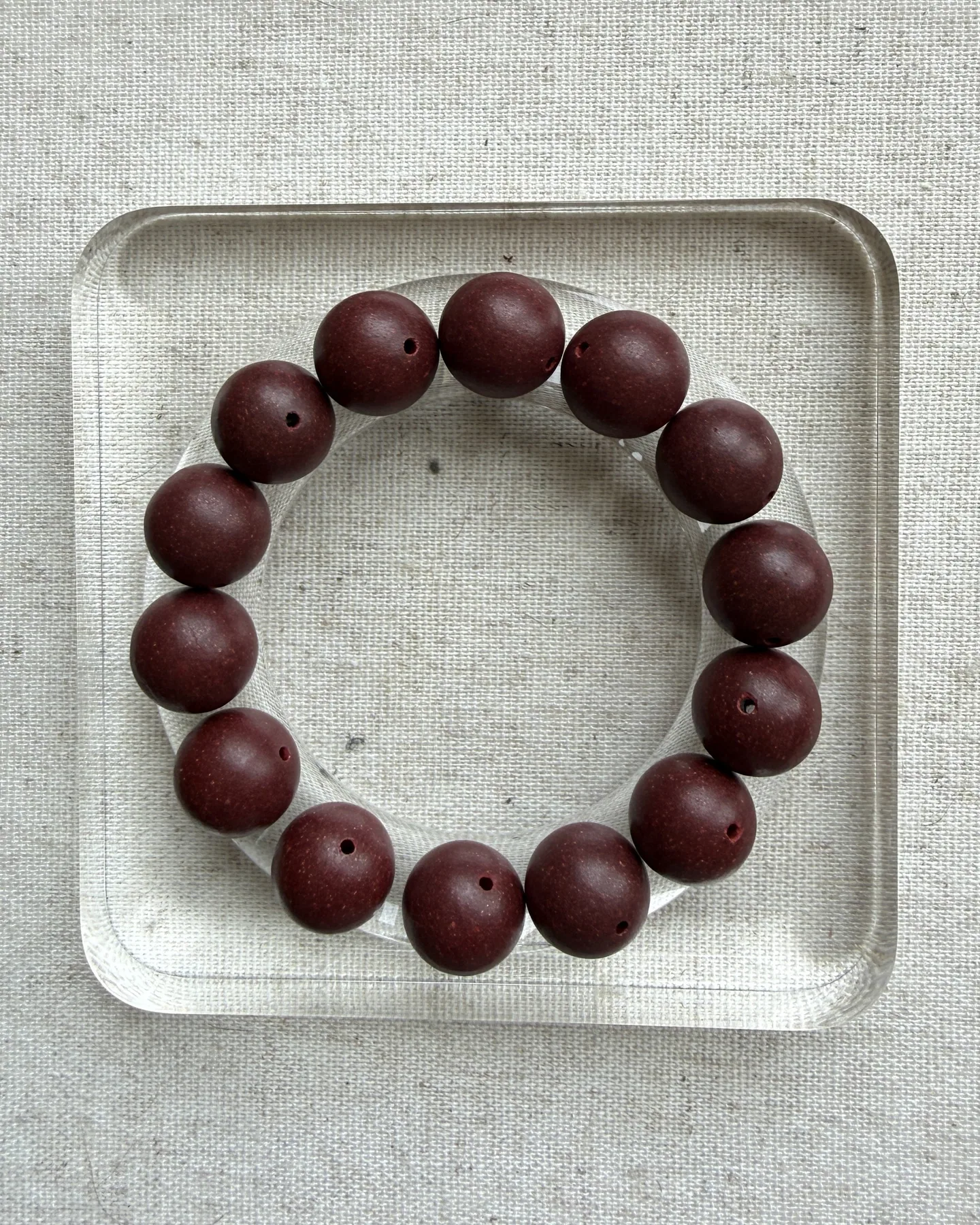
Incense Beads vs Mala Beads: What's the Difference?
Incense beads describe a material and craft; mala describes a bead structure and use. The categories can overlap, including QINGYUN's 108-bead QY-AJ-122 necklace.
Read article →
Chinese Incense: What It Is, How It's Made, and How It Differs from Japanese Incense
Chinese incense is blended aromatic plant material burned, warmed or worn for scent — not a single ingredient. What He Xiang means, how it's made, and how it differs from Japanese incense.
Read article →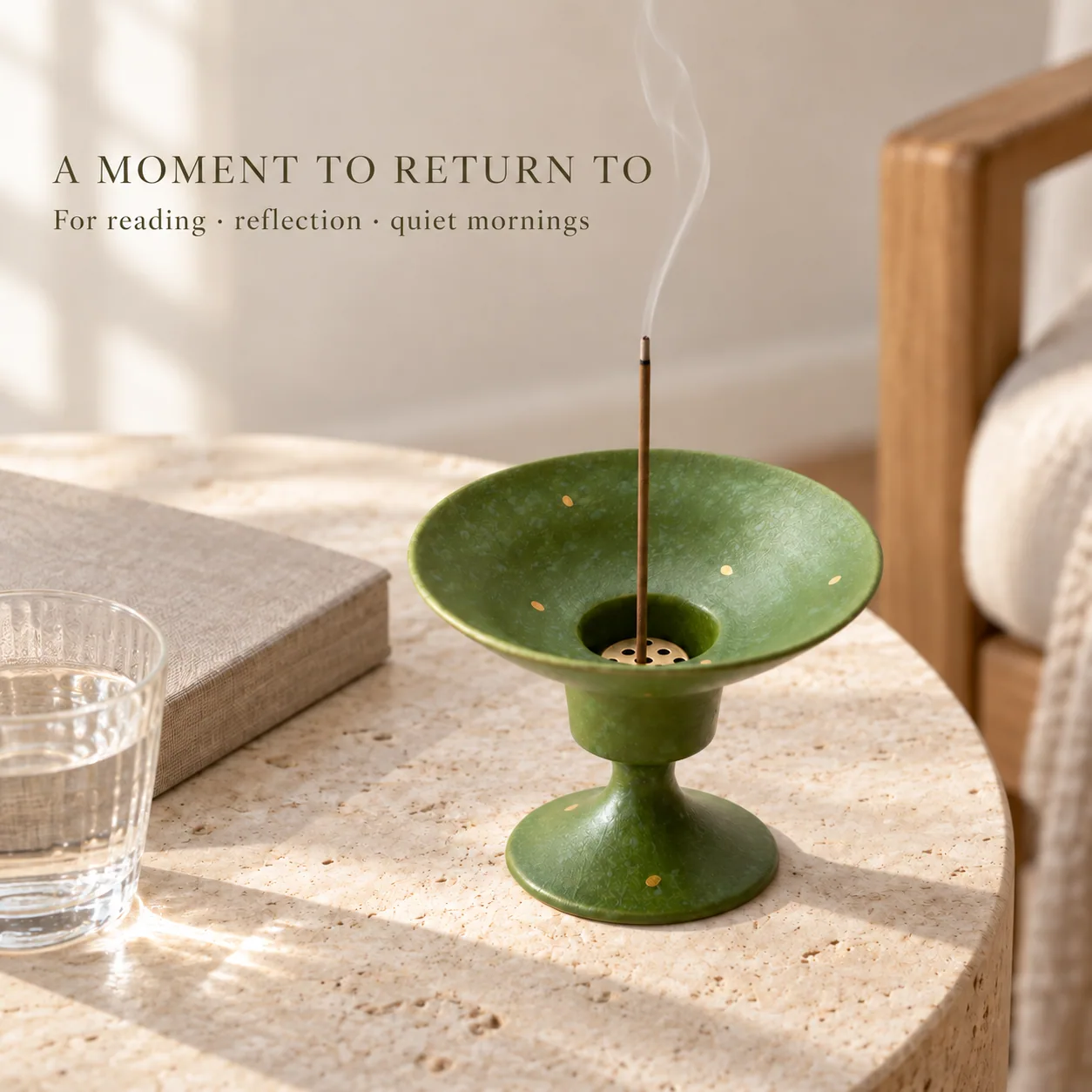
How to Burn Incense Sticks, Step by Step
Light the tip, let it flame for two or three seconds, blow it out, and stand the stick upright in a holder. If the ember glows and the smoke is thin, it is burning correctly. A seven-step method, plus why sticks go out.
Read article →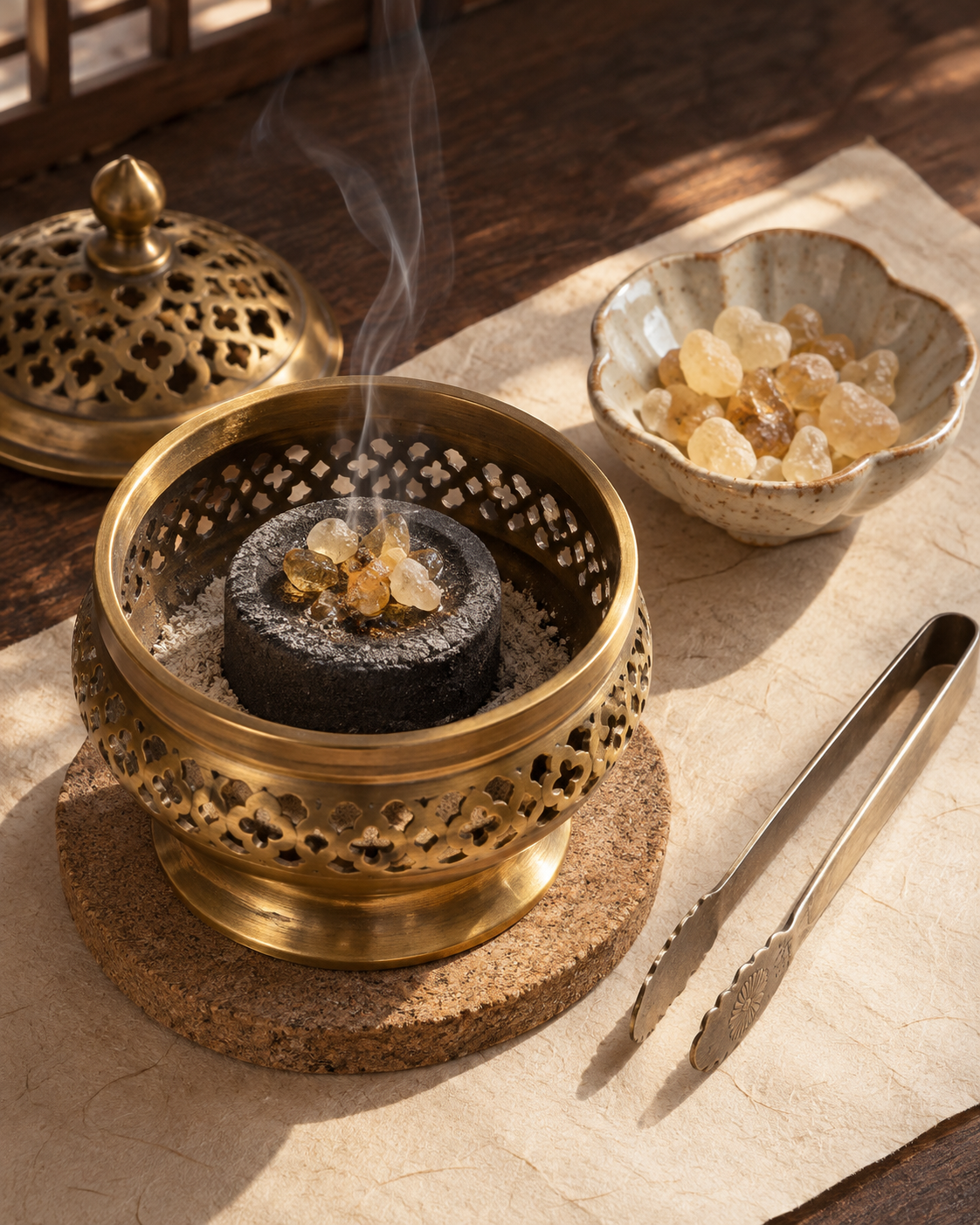
How to Burn Resin Incense Without Scorching It
Indirect heat gives more control over resin incense than direct combustion. Use an electric warmer, or charcoal with a mica plate, and increase heat gradually to avoid scorching.
Read article →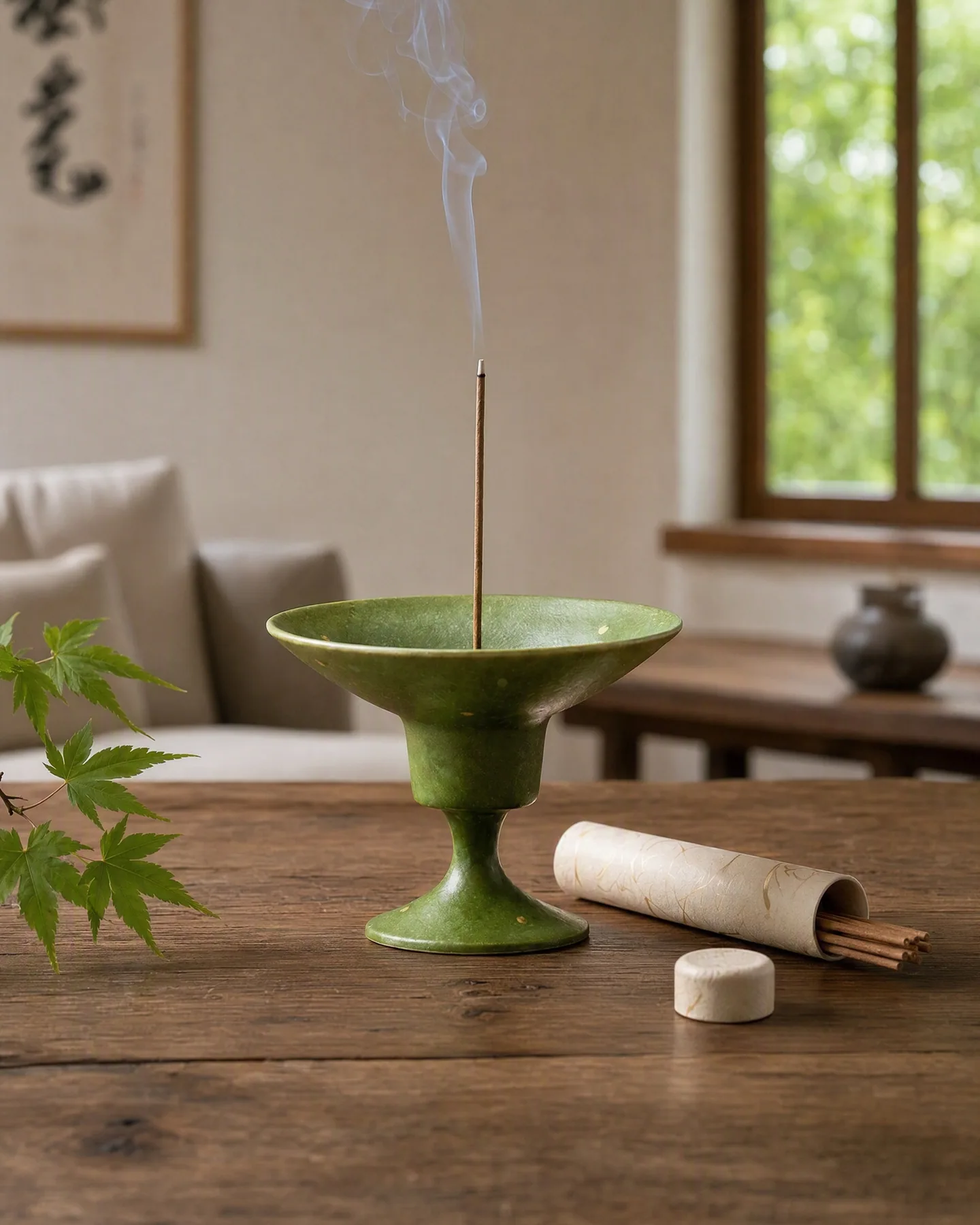
How to Clean an Incense Burner Without Damaging It
Empty it cool, brush it dry, then wash with warm water and a drop of mild soap. Resin residue needs oil or isopropyl alcohol, not scrubbing. Material-by-material method for ceramic, brass, wood and stone.
Read article →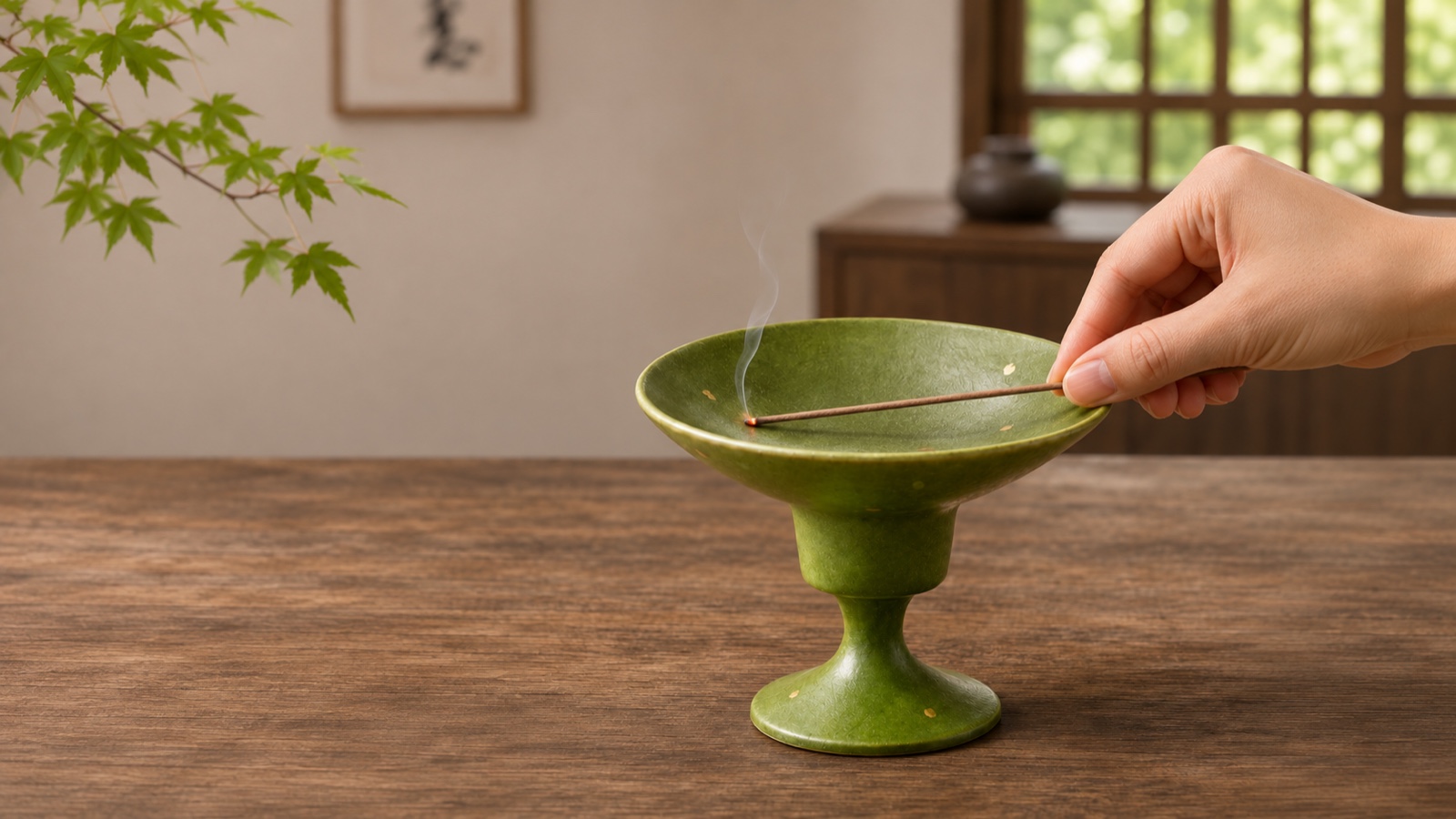
How to Put Out an Incense Stick Safely (5 Methods, Ranked)
The cleanest way to put out an incense stick is to lay it flat and press the ember against a ceramic surface, or cap it. Five methods ranked, what not to do, and how to relight the remainder.
Read article →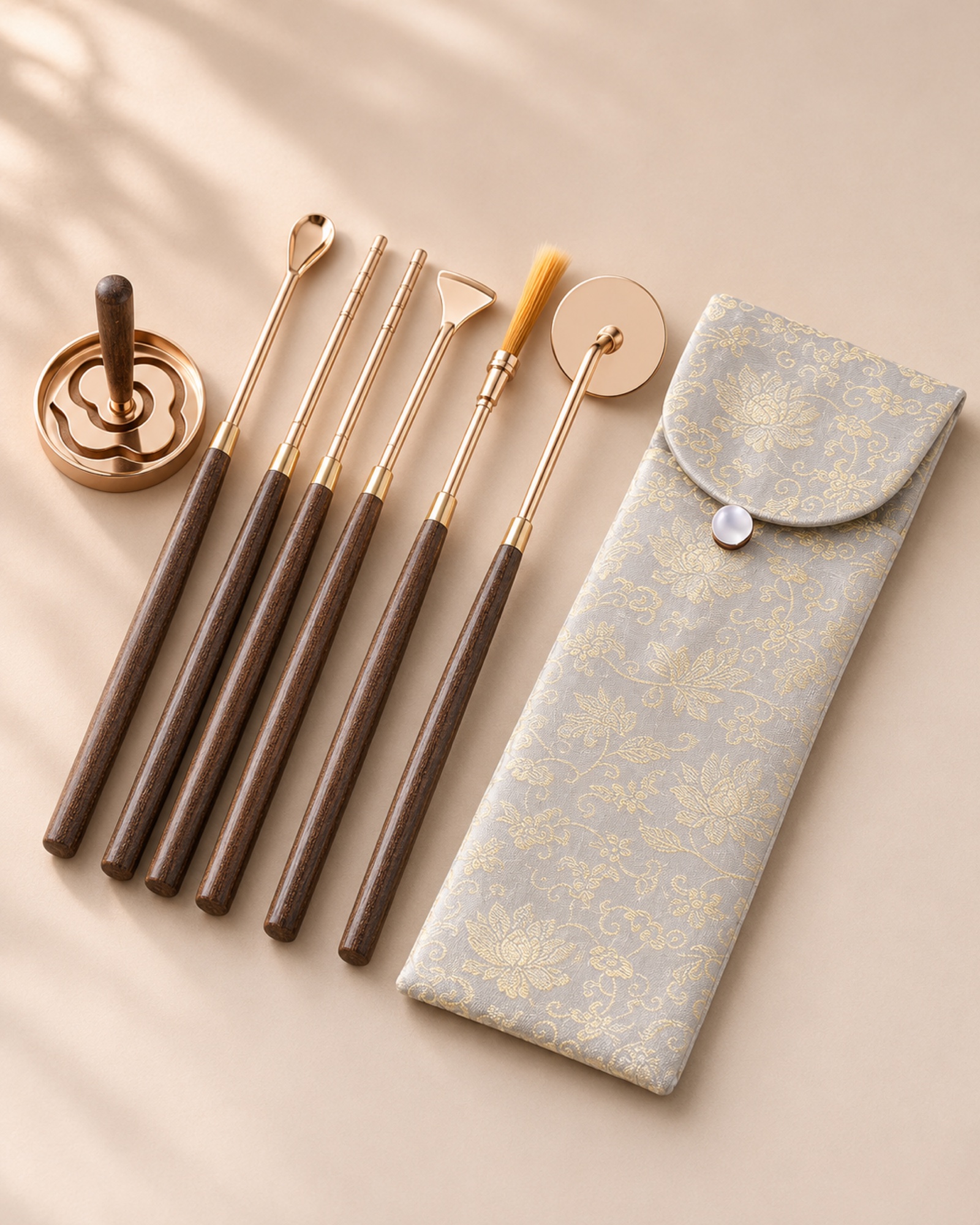
How to Use an Incense Seal (香篆): Powder, Ash Bed and Stencil
An incense seal is a trail of loose incense powder pressed into a pattern on a levelled bed of ash, then lit at one end. What 香篆 means, the six tools you need, and why the trail collapses when you lift the stencil.
Read article →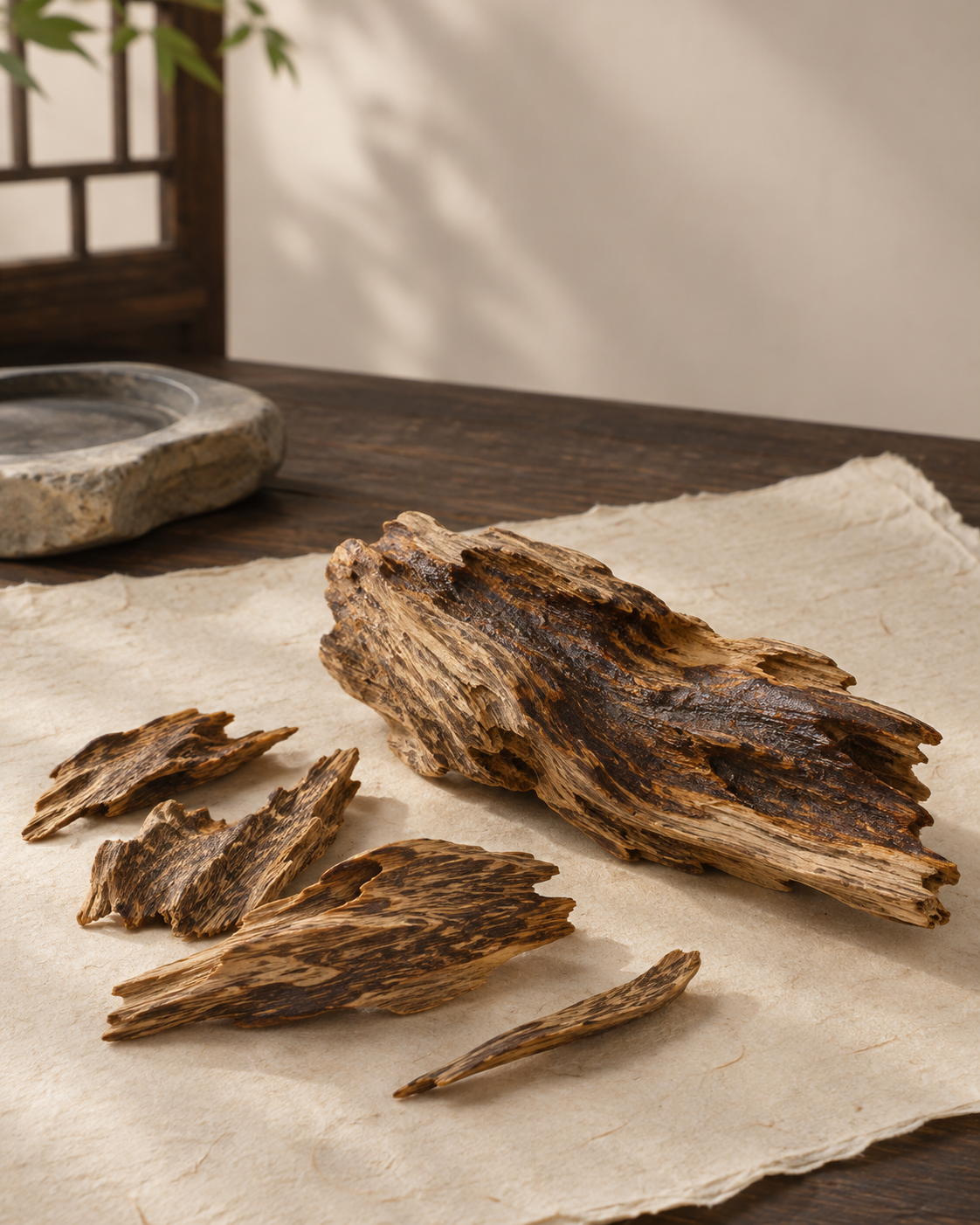
Agarwood: What It Is, Why It Costs What It Costs, and Why CITES Matters
Agarwood is not a wood species but a condition: Aquilaria and Gyrinops trees form dark, resin-rich heartwood in response to injury. What oudh is, how it is graded, and how the CITES annotation that governs it actually works.
Read article →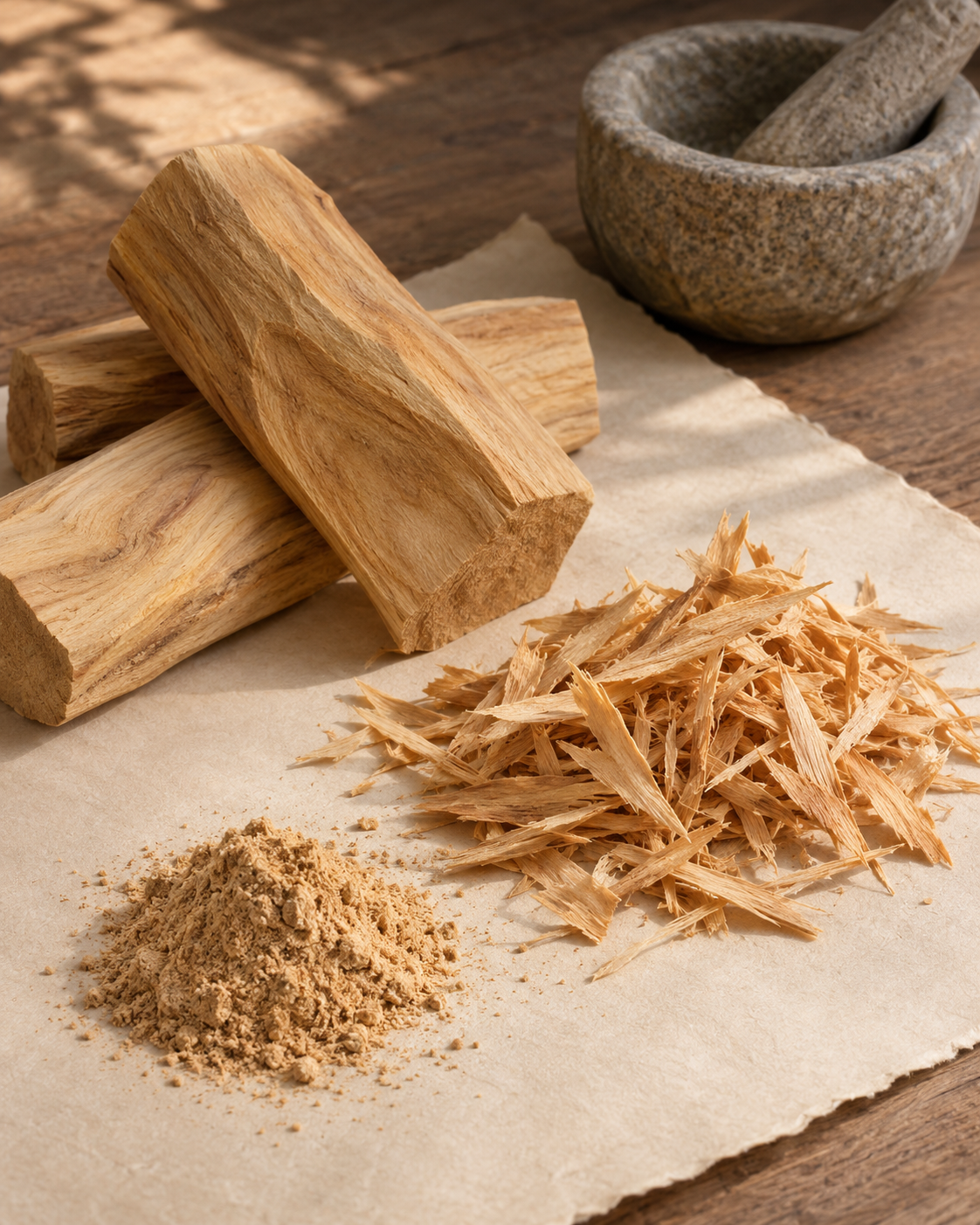
Sandalwood in Chinese and Indian Incense Traditions
Sandalwood is the aromatic heartwood of Santalum trees. Santalum album is not CITES-listed, but origin-country harvest and export rules still matter. How it is used, what the trade names mean, and how to assess a claim.
Read article →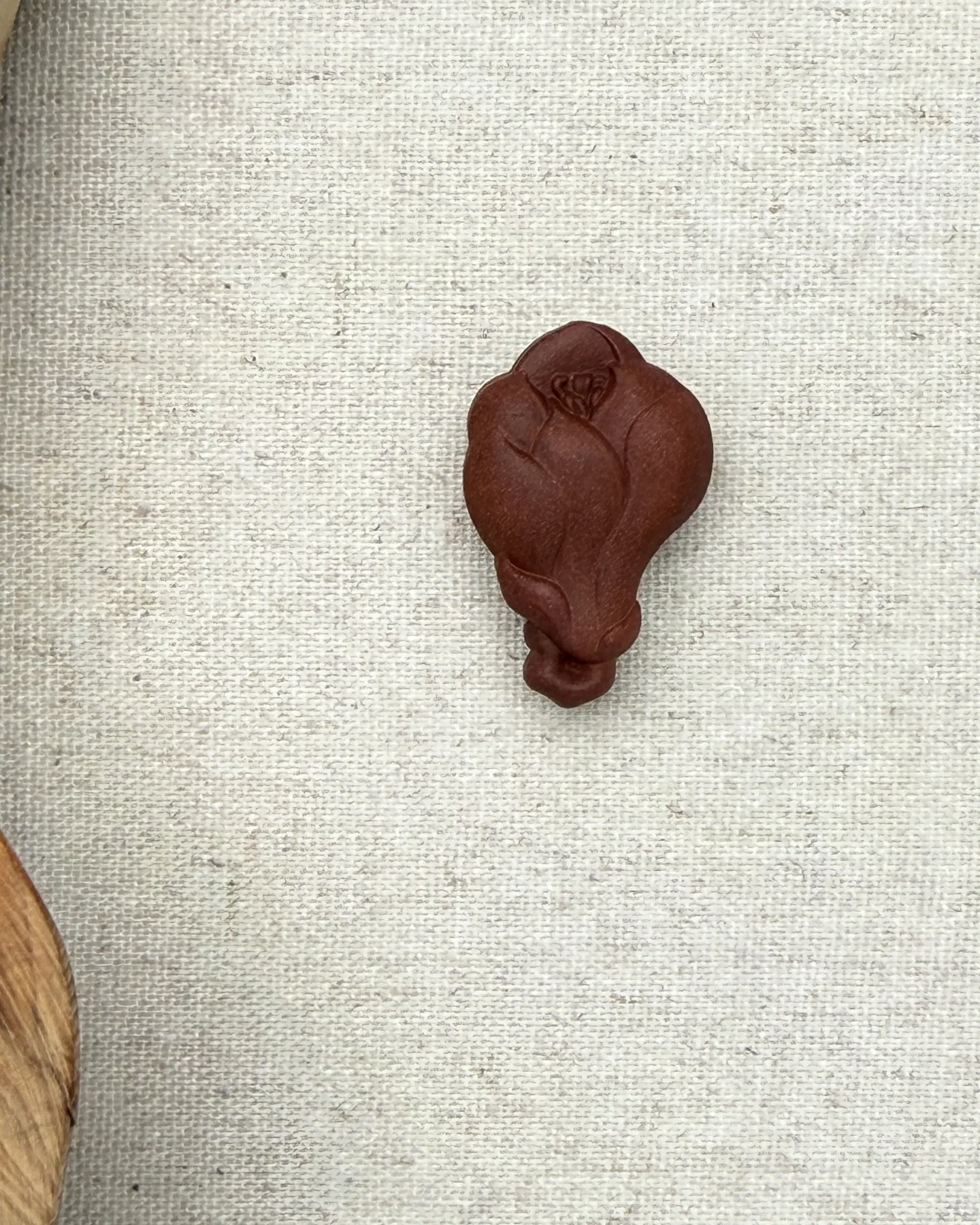
Magnolia Symbolism in Chinese Culture: Purity Before the Leaf
In Chinese culture the magnolia (玉兰) stands for purity, nobility and spring, because it flowers on bare branches before the leaves appear. Where the motif comes from, and how it is used in design.
Read article →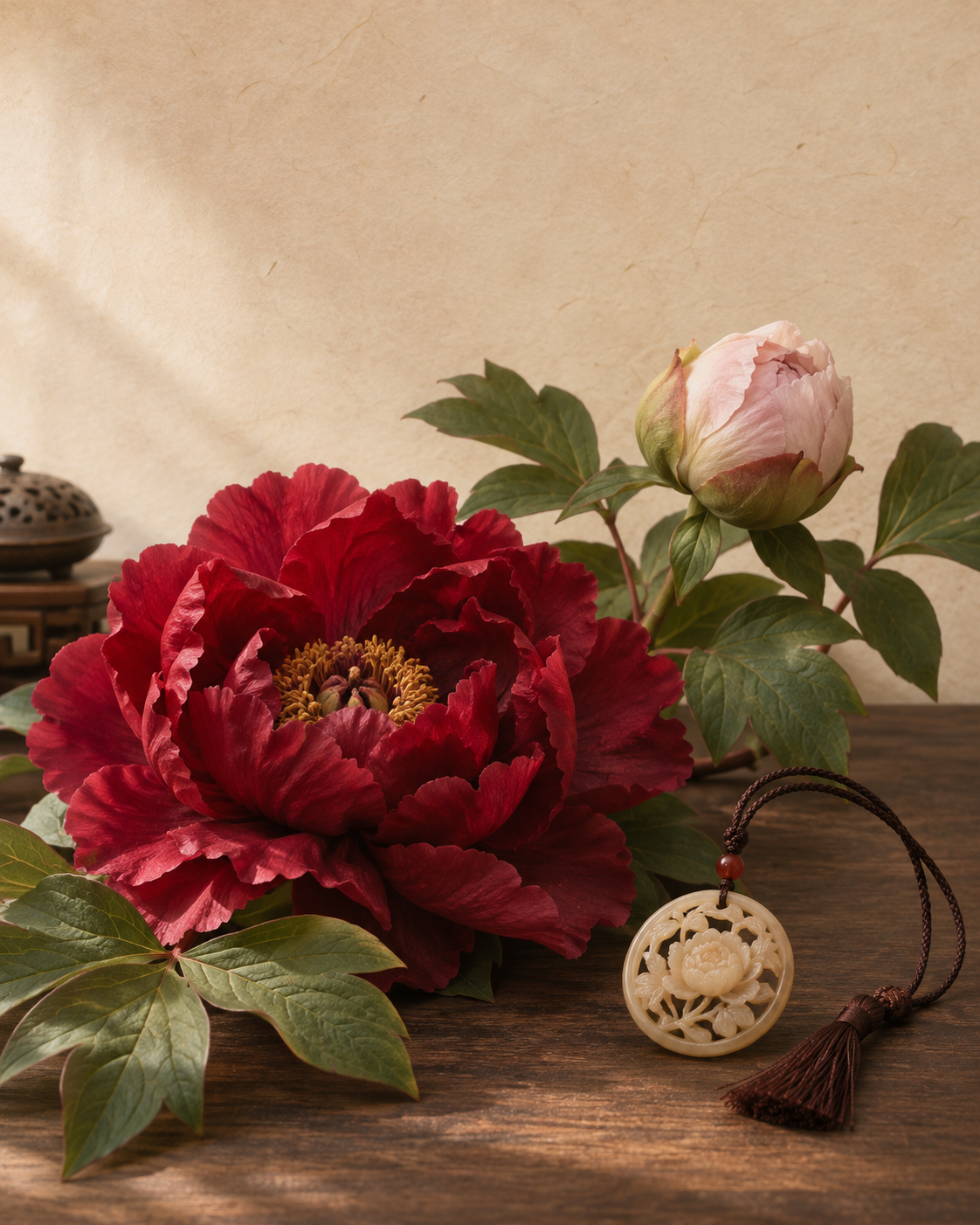
Peony Symbolism in Chinese Culture: The Flower Called King
The peony (牡丹) is 花中之王, the king of flowers, and the standard Chinese emblem of prosperity and honour. Where the reading comes from, why Luoyang matters, and how the motif survives at bead scale.
Read article →